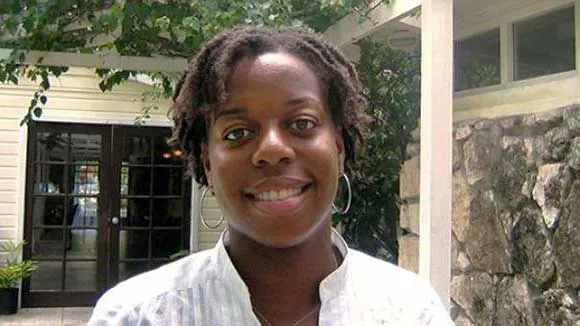
The personal and the professional came together for Natasha Lightfoot in her first book, Troubling Freedom: Antigua and the Aftermath of British Emancipation. The daughter of immigrants from Antigua, she has been interested in the Caribbean island forever and visited frequently while growing up. As a historian, her scholarly work is focused on the African diaspora and the meaning of freedom in the Atlantic islands that were colonized by Europeans and for years dependent on slave labor.
“The story I tell is a complicated one,” said Lightfoot, associate professor of history. “It is about the unfree nature of freedom.”
The British freed slaves in Antigua in 1834, part of a move to abolish slavery in its Caribbean colonies in the belief that it was outdated and hindered modernization. But the former slaves still toiled all day in a system largely indistinguishable from slavery. With no place to live, many stayed in plantation housing and residence was deemed to be an agreement to work on that plantation. They had no right to negotiate wages or working conditions. Former slaves who couldn’t show evidence of gainful employment were jailed and sentenced to years of hard labor, while former slave owners received compensation from the British government for their “loss of property.”
“They were freed, but with minimal rights and privileges,” Lightfoot said. “Systems of law and customs were immediately put in place so they couldn’t escape.”
Read the full story on Columbia News.