
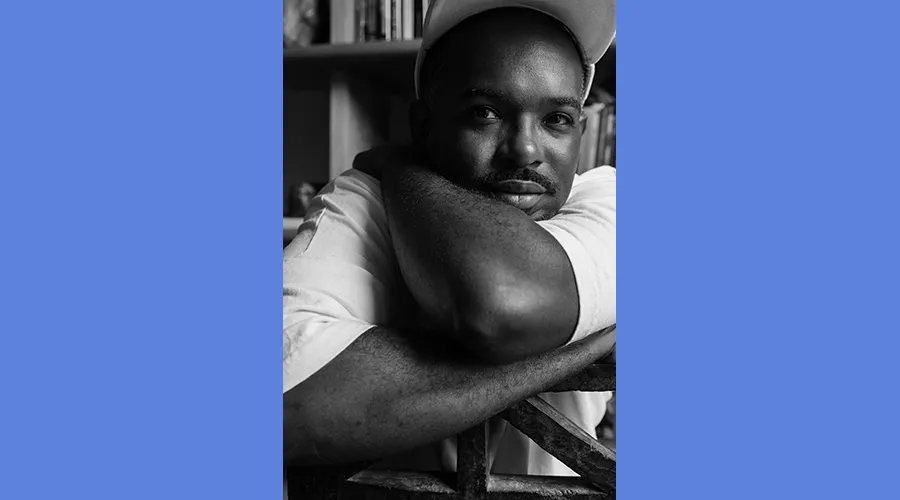
Department alumnus and filmmaker Elegance Bratton named Columbia University School of General Studies class day speaker.
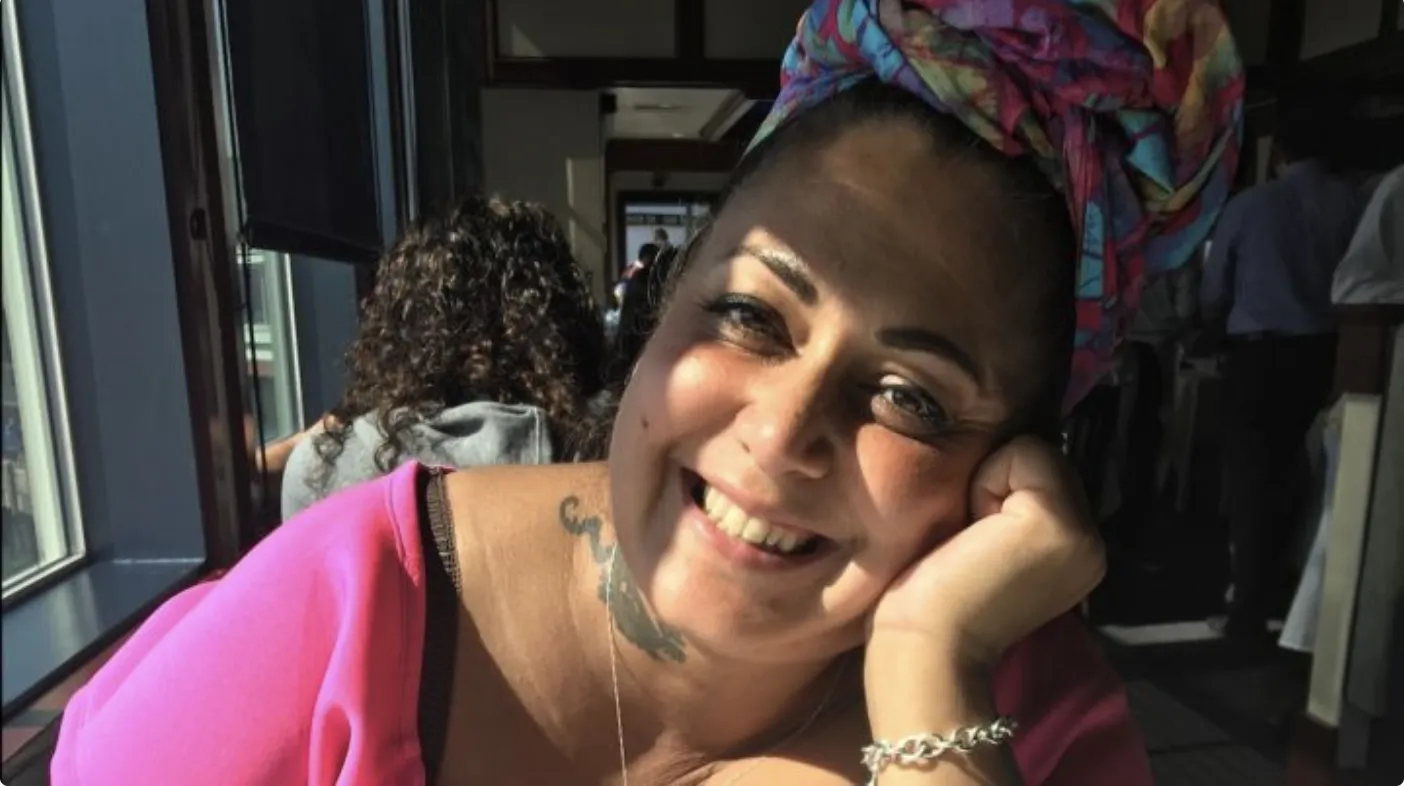
It is with great sadness the department announces the passing of one of our graduate students, Janeen Irving.
Columbia University Press launches new partnership to advance Black Studies and Diversity Academic Publishing.
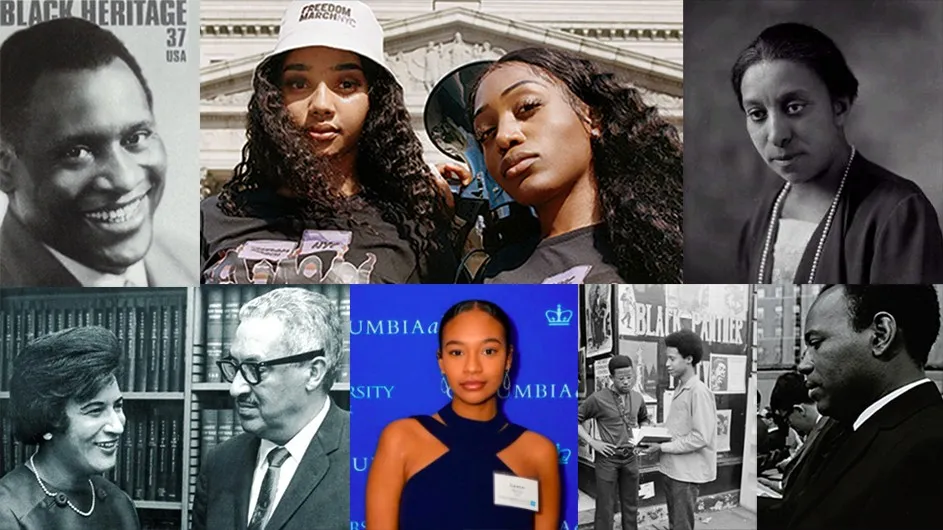
As we observe Black History Month, Columbia News looks back at Black Columbians who made history through their activism.
Intimate, dynamic conversations about art and process with Black artists of distinction.
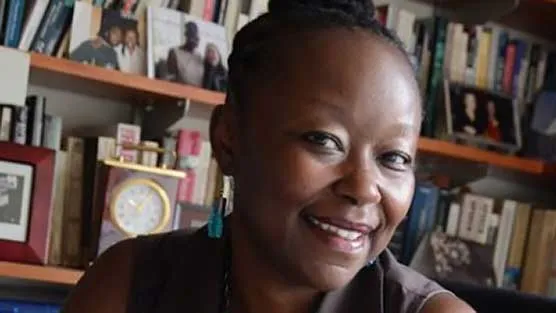
Griffin is the William B Ransford Professor of English and Comparative Literature and African-American Studies.
The launch of the new podcast series, "Black Lives: In the Era of COVID 19."
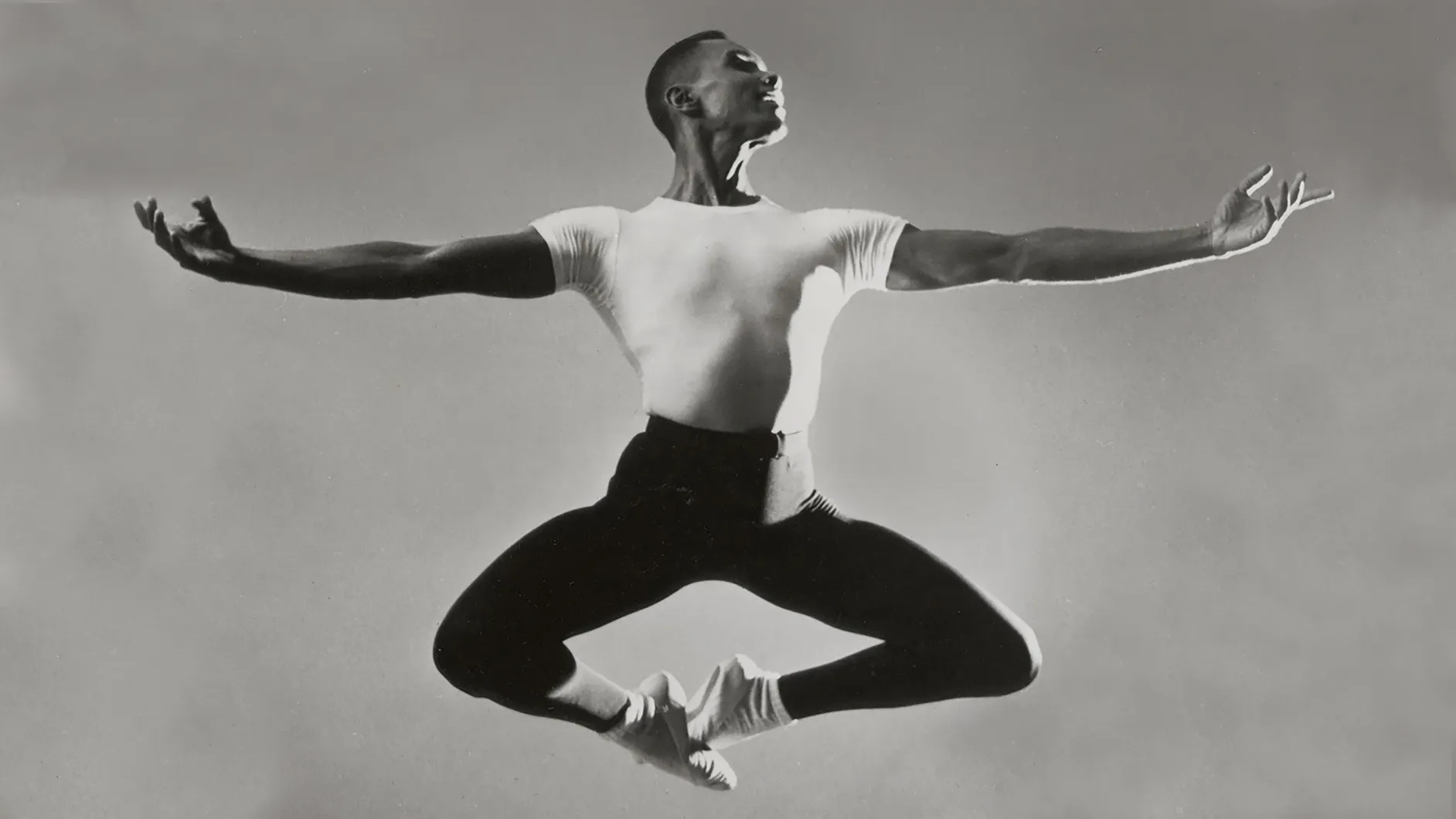
A recent grant to the African American and African Diaspora Studies department will support new arts-based programming.
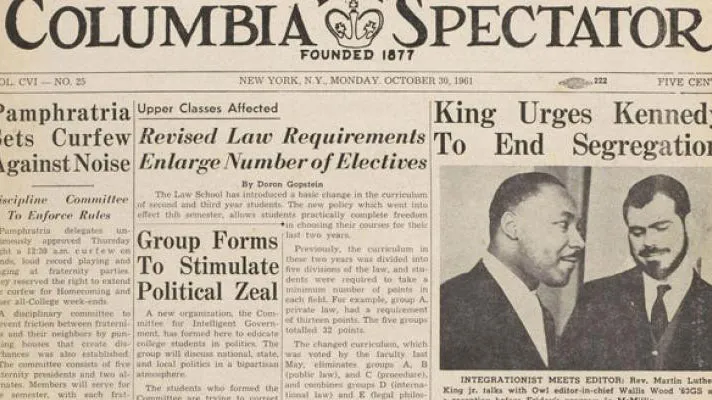
On October 27, 1961, King addressed a group of students, faculty, and members of the community at the McMillin Theatre (now Miller Theatre).
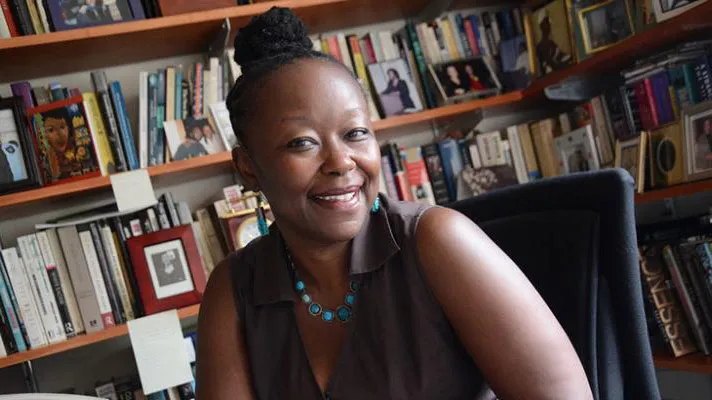
Columbia’s Board of Trustees voted unanimously to create the African American and African Diaspora Studies Department.
The video features a discussion with the author, Imani Perry, Princeton University, and several Columbia panelists.