
Angela Davis participated in a Q&A with Kevin Fellezs, assistant professor of Music & African-American Studies at Columbia University.
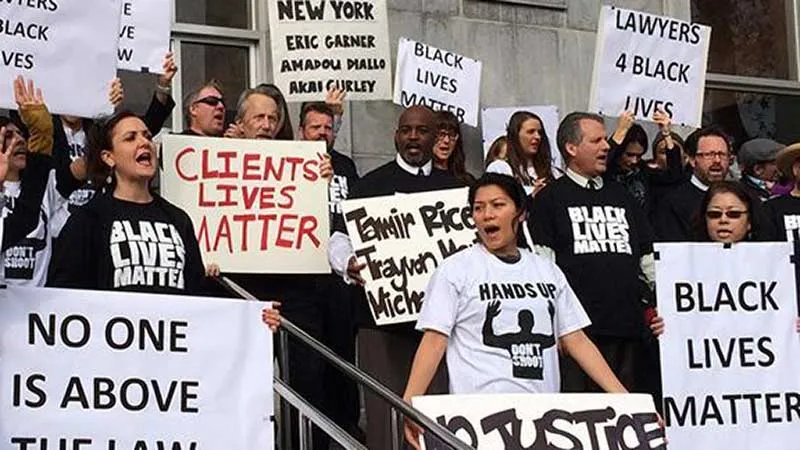
Litigation plays a critical role in movements for racial justice. Across a range of cutting edge issues legal advocates work closely with movement leaders,
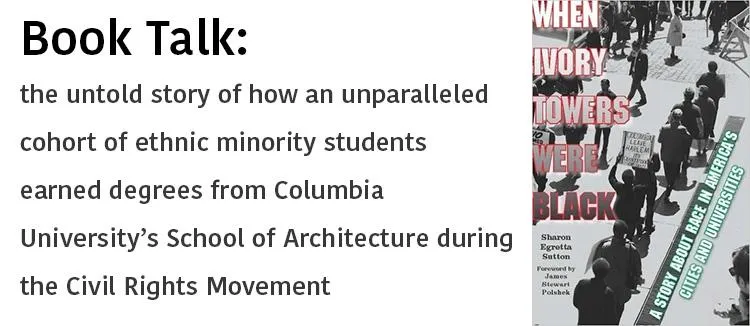
When Ivory Towers Were Black tells the untold story of how an unparalleled cohort of ethnic minority students earned degrees from Columbia University’s School of Architecture during the Civil Rights Movement.
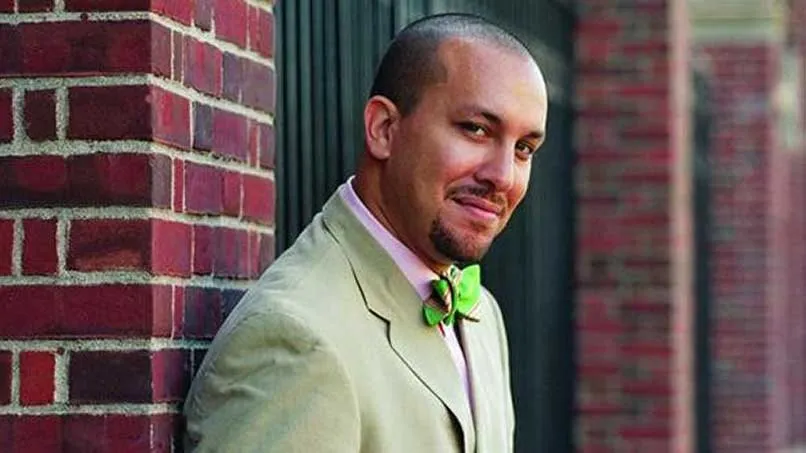
"Modern African American literature, though it’s typically narrated as being secular, is in fact fundamentally religious,” argues Associate Professor of Religion Josef Sorett.
Columbia University is once again proud to host our annual Black History Month blood drive in honor of Dr. Charles R. Drew (College of Physicians & Surgeons 1940), named by the American Chemical Society as “one of the most important scientist of the 20th century.” A pioneering medical researcher, Drew developed methods of storing blood plasma for transfusion and organized the first large-scale blood bank in the world. In 1940, he became the first African American to earn a doctoral degree in medicine from Columbia.
Members of the Columbia Business School community reflect on the legacy of Theodora Rutherford (Class of 1924), the school’s first known African American student.
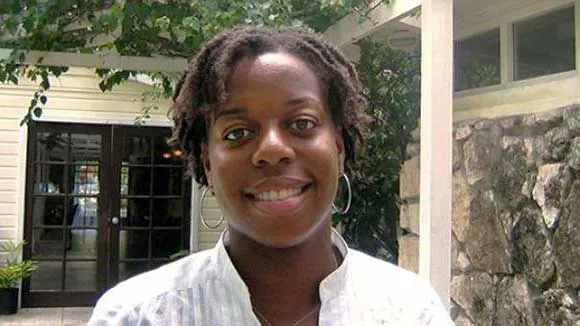
In "Troubling Freedom: Antigua and the Aftermath of British Emancipation," historian Natasha Lightfoot explains how former slaves in Antigua still toiled all day in a system largely indistinguishable from slavery.
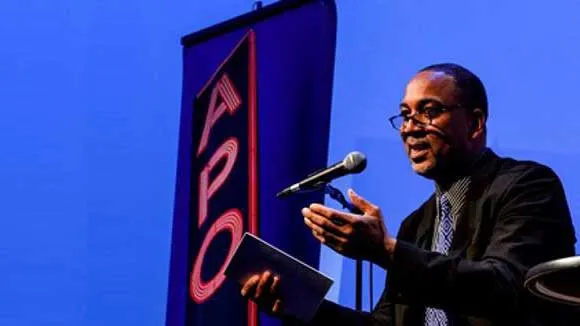
Architectural historian John Reddick has been researching cultural connections between the early 20th century music written by African Americans and Jews in Harlem.
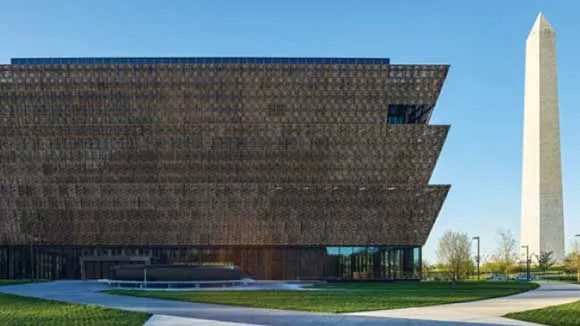
Watch Columbia Professor Wilson, author of "Begin with the Past: Building the National Museum of African American History and Culture," discuss the design of the museum.
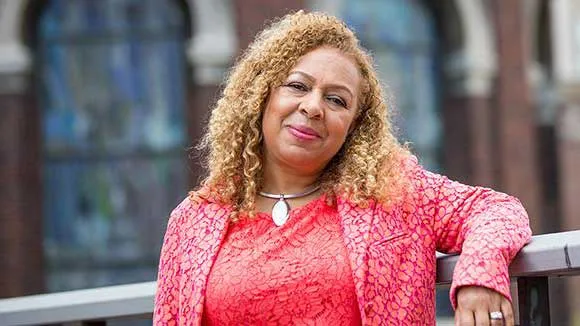
Kellie Jones, associate professor of art history and archaeology, is among those named 2016 Fellows of the John D. and Catherine T. MacArthur Foundation.
Antoinette Kwegan Talks About Her Experience at The Many Worlds of Black New York
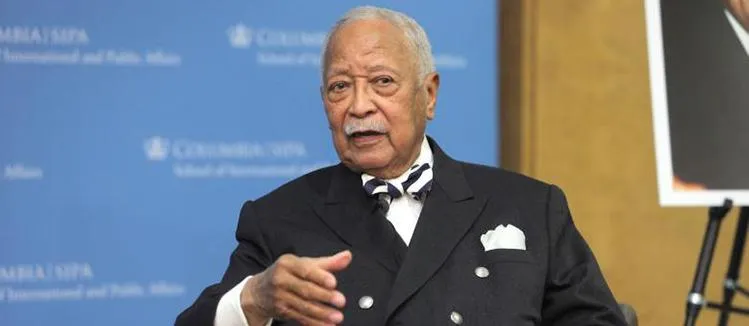
The David N. Dinkins Papers and Oral History Project offers a wealth of material to study the life and career of New York’s first African American mayor, David N. Dinkins.